Tanzania: Migrant Domestic Workers in Oman, UAE Abused

Women Describe Beatings, Exploitation, Harassment
The [employer’s] houses were too big and salary very little. I was working for four houses for 50 rials (US$130) [per month] only. It was not fair.… I told this to the agent [in Oman] and said, “I want to go back home.…” She said, “You cannot go anywhere; your boss has your passport. So, shut up and keep on working.”
-Munira E., 46, migrated to Oman in 2014. Dar es Salaam, November 9, 2016
Thousands of Tanzanian women toil as domestic workers in the Middle
East, cleaning, caring, and cooking for their employer’s families. Each
year, hundreds more follow, often with promises of salaries ten times
what they could earn at home. Some find decent working conditions and
good salaries. Many others work excessively long hours for little pay,
and are subject to physical and sexual abuse. Some end up trapped in
situations of forced labor. One domestic worker said, “it is like a game
of cards, you can win or lose.”The majority of the estimated 2.4 million migrant domestic workers in the Gulf states come from Asian countries such as Indonesia, the Philippines, India, and Sri Lanka. As these countries have increased protections and minimum salaries for their workers, and in some cases banned recruitment to the Gulf entirely, recruiters are increasingly turning to East Africa where protections are weaker and workers deemed cheaper.
This report, based on 87 interviews conducted in November 2016 and February 2017, including 50 Tanzanian domestic workers, documents the abuse women face in Oman and the United Arab Emirates (UAE). The report looks at how the Tanzanian, Omani, and UAE governments’ failure to protect Tanzanian migrant domestic workers leave them exposed to exploitation both at home and abroad.
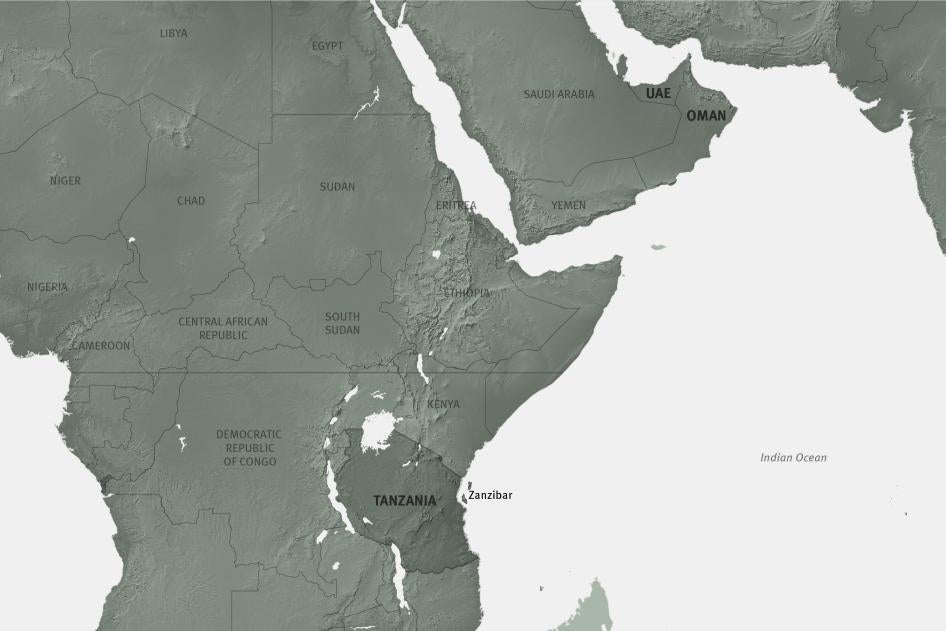
Abuse in Oman and the United Arab Emirates
Most Tanzanian domestic workers Human Rights Watch interviewed described working 15-21 hours a day with no rest or day off. Twenty-seven women complained their employers paid them less than promised, sometimes receiving only half their promised salaries. In other cases, women said their employers did not pay them at all.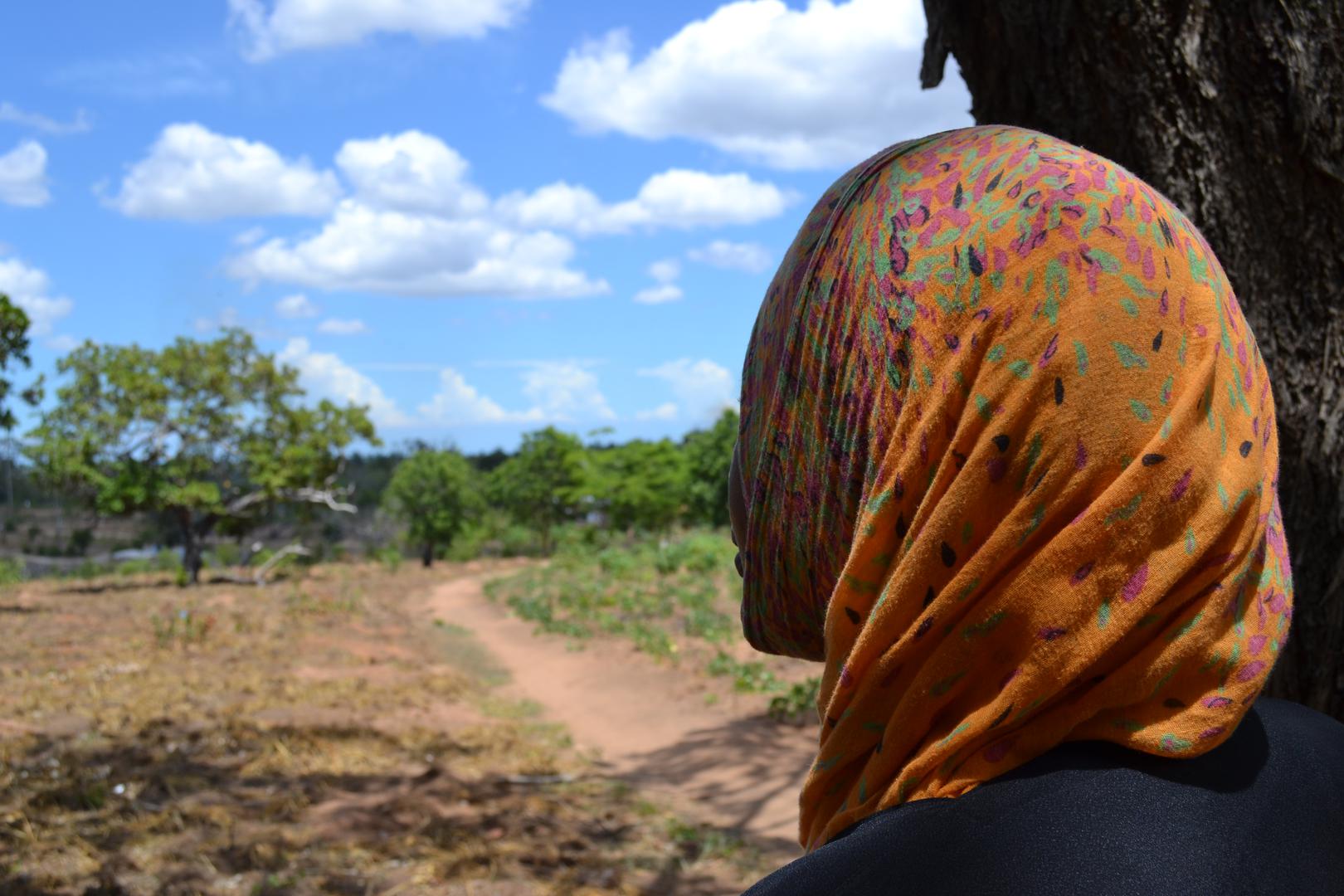
© 2017 Rothna Begum/Human Rights Watch
Nineteen workers described their employers denying them food, or forcing them to eat spoiled or left-over food, and 27 said their employers forced them to sleep on the floor, in open spaces, store rooms, or sharing rooms with children or their employers. Almost all said their employers confiscated their passports, and 22 said they also confined them to the house or the compound. Employers also took away some workers’ phones or refused to let them call their families for months. “Atiya Z.,” 28, who worked in Oman from 2015 to 2016, said: “When I came back, my parents said: ‘you never called us. You could have died.’”
Migrant domestic workers had little recourse for leaving abusive working conditions. Women who sought help from their employment agents in Oman and the UAE said they got little assistance: some agents told them to continue working; some made things worse by telling employers of their complaints; some even beat them for leaving their employer; some forced them to work for new employers.
When women tried to leave their employment before completing their contract, several employers forced them to work unpaid for months in return for flight tickets home or to recoup recruitment fees. In one case, “Basma N.,” from Dar es Salaam, told Human Rights Watch that after facing arrest by Omani police for not paying back her employer’s recruitment costs, she had to relinquish her entire salary. She said her employers forced her to work 21 hours a day without rest or a day off, and subjected her to physical abuse. Her employer’s brother attempted to rape her twice. Forced to borrow money to pay for her flight tickets home, she returned to Tanzania financially, physically, and emotionally worse-off than when she left.
Oman and the United Arab Emirates’ Failures to Protect Domestic Workers
Instead of protecting migrant domestic workers from these abuses, laws and policies in Gulf states like Oman and the UAE make them more vulnerable. Existing legal frameworks allow employers to retaliate against workers who flee abusive situations rather than securing domestic workers’ rights or ensuring their physical safety.The kafala (visa-sponsorship) system in both Oman and the UAE prohibits migrant workers from leaving their employers or working for new employers without their initial employers’ consent and punishes them for “absconding” if they do. Oman’s labor law excludes domestic workers from its protections entirely, as did the UAE’s laws until this year. In May, the UAE adopted a long-debated bill that extends key labor protections to domestic workers and is to come into force by December 2017. But some provisions, such as on working hours, are weaker than those for other workers.
Although employers are required to pay migrant domestic workers’ recruitment fees, some employers believe they are entitled to all their money back if workers ask to leave before their contract is complete, even when fleeing abusive conditions. While the UAE’s 2017 law on domestic workers prohibits recruitment agencies from charging fees to workers or reimbursement of expenses it does not prohibit employers from doing so. Instead, when workers choose to terminate their employment early without a contractual breach, the law requires them to compensate their employer with one month’s salary.
Human Rights Watch interviewed workers who said they had to forego their salaries as a condition for their “release,” or work for a new employer who repaid recruitment costs to the initial employer. In Oman, Human Rights Watch documented instances where the police and Ministry of Manpower officials helped enforce this practice.
This framework essentially allows employers to overwork, underpay, and abuse workers.
Employers can reclaim their recruitment costs, force workers to pay for their own flight tickets home, and easily hire new workers to begin the cycle again. These practices contribute to situations of forced labor as women must continue to work against their will due to financial penalties far beyond their ability to pay.
Employers enjoy a large degree of impunity for abuse and exploitation. Workers who sought help from police in Oman said the police charged them with “absconding” for violating the kafala system, returned them to their employers, or at best, allowed them to leave the country. Of the three workers interviewed by Human Rights Watch who went to the Omani Ministry of Manpower, one said the agent did not turn up to dispute resolution sessions, and the other two said that officials did not believe their stories of abuse and sided with employers. While Tanzanian domestic workers told Human Rights Watch about abuse and exploitation in the UAE, they could not or did not report it to the UAE authorities.
Tanzania’s Failure to Protect Workers
While many of these abuses take place during employment in the Gulf, gaps in Tanzania’s recruitment and migration policies place workers at heightened risk from the outset and provide little access for redress. The experience of countries, such as the Philippines, Indonesia, Sri Lanka, and India, that have sent migrant domestic workers to the Gulf for decades have shown that stringent regulation and oversight of recruitment, rights-based training programs, appropriately trained consular staff, and bilateral negotiations and agreements are key strategies to prevent and respond to abuse.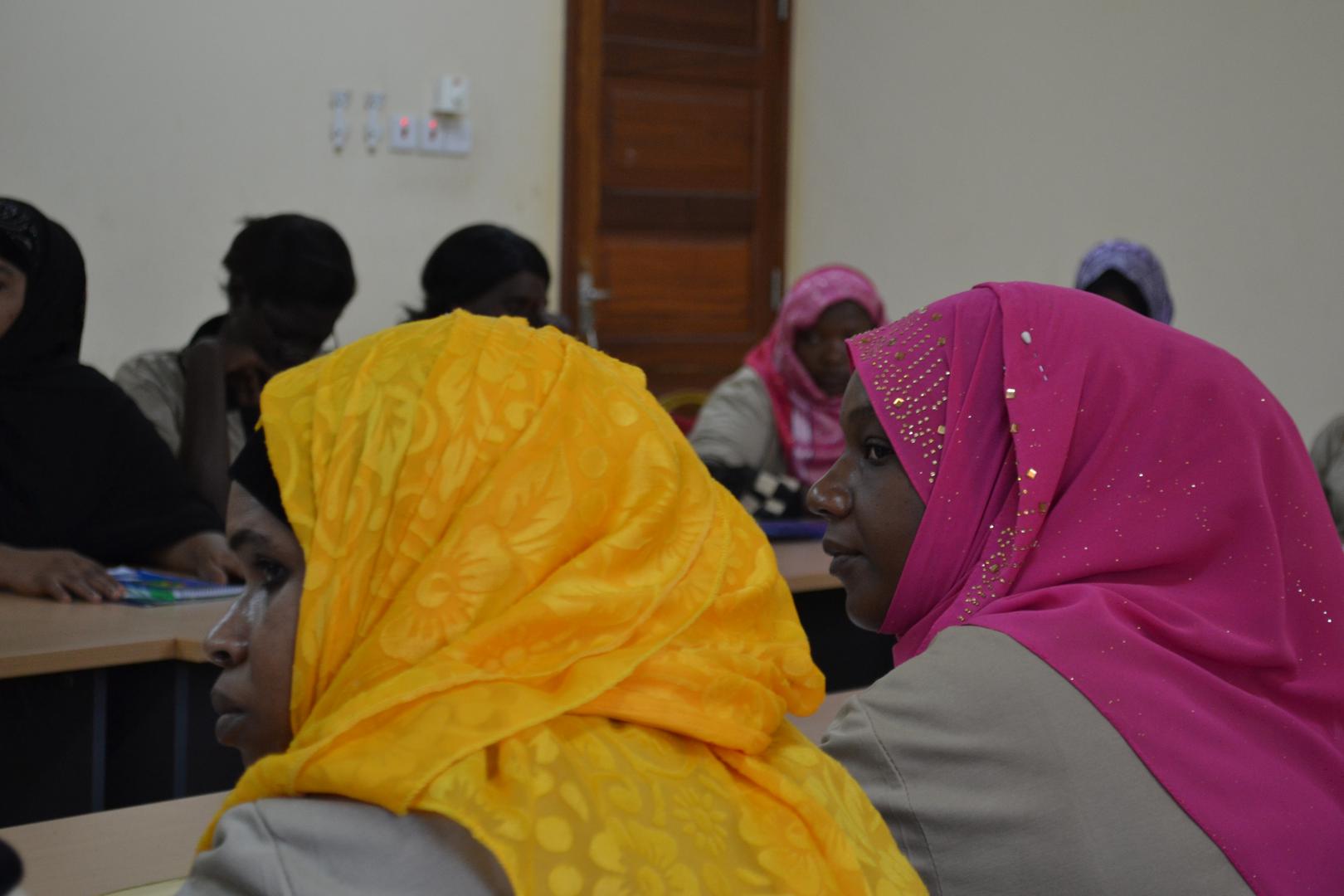
© 2017 Rothna Begum/Human Rights Watch
Domestic workers at a workshop in October 2016 in
Zanzibar, discussing ways to organize and support rights of Tanzanian
domestic workers in Gulf states. Zanzibar, Tanzania. © 2016 Rothna
Begum/Human Rights Watch
Tanzania has expanded some protections for overseas migrant workers
since 2011, including requiring a standard contract with minimum
employment conditions for migrant workers, creating contract
verification procedures in their embassies in Oman and the UAE, and
setting increased minimum salaries. However, the standard contract
requires workers to pay one and a half month’s salary to their employers
if they leave their employment before completing 12 months.Tanzanian and Zanzibari recruitment policies and practice have many gaps. Tanzanian workers are required to process their applications to migrate with respective labor ministries in mainland Tanzania and Zanzibar. However, many workers migrate outside of this channel.
In Zanzibar, the semiautonomous islands within the United Republic of Tanzania, the authorities require married women and never-married women to have male guardian permission to migrate. Such rules restrict women from making decisions about their own lives and provide an incentive to migrate outside of regular channels.
Twenty-three of the migrant domestic workers interviewed by Human Rights Watch said they misinformed immigration departments about the purpose of their travel, explaining that they did so at their agents’ direction, or because they believed they would not be allowed to migrate, their passports delayed, or they would have to pay higher costs if migrating officially.
When traveling outside of a regular migration channel, workers bypass mechanisms that—once strengthened—could help prevent and respond to abuse, such as receipt of pre-departure information, verification of employment contracts, and oversight of their recruitment agency including with respect to fees.
Currently these mechanisms are weak or non-existent. The Ministries of Labour in Tanzania and Zanzibar provide some pre-departure information when workers apply to migrate, but no training.
Authorities require women to migrate through a recruitment agency but have not set out minimum standards for how agencies assist workers in cases of abuse, or for inspections and penalties in case of violations. While regulations in mainland Tanzania and Zanzibar prohibit agencies from charging fees and costs to workers, many women said agents charged them costs anyway.
Recruitment costs and financial penalties can trap workers in situations of forced labor. In some cases, both agencies in Tanzania and in the country of employment took workers’ initial two months’ salary claiming that these fees reimburse them for recruitment costs—even though employers had paid such costs—and that they guarantee their help if needed.
Several Tanzanian agencies that spoke to Human Rights Watch said that if a woman no longer wished to migrate after they had started the recruitment process, they try to coerce her through imposing a financial penalty or pressuring her family. These agencies may also impose an exorbitant financial penalty on a domestic worker who returns home before completing her contract. One contract Human Rights Watch reviewed required workers to pay the Tanzanian agency $2,000 if they return home for becoming pregnant, “interfering” in the employer’s marriage, or making “false” reports as a pretext to leave the country.
Unlike other countries of employment, Oman does not have any bilateral agreements with countries of origin, including Tanzania, to help secure protection of migrant domestic workers’ rights. The UAE has only one agreement regarding domestic workers, which it signed with the Philippines in September 2017. Without such cooperation, Oman and the UAE only enforce their own standard contracts, which have weaker provisions than those in the Tanzanian standard contract that workers are promised.
The Tanzanian embassy in Oman provides shelter to domestic workers who have left their employers. However, some women reported severe overcrowding, being confined to the embassy, and one worker said they were forced to clean embassy offices. The embassy has no mechanism to force employers or agents to pay for return flight tickets or funds to otherwise assist workers in distress. Workers spend months in the shelter raising funds from relatives or working during the day for friends or relatives of embassy staff to pay for their flight tickets home.
Likewise, without cooperation with local authorities and adequate protection mechanisms, the Tanzanian embassy has no real power to assist workers by forcing employers to return unpaid salaries, provide compensation, or pay return flight tickets home. Instead, some workers said embassy officials sent them back to abusive agents and employers, in some cases to situations that amounted to forced labor. In other cases, embassy officials reinforced abusive practices such as encouraging the worker to pay back recruitment costs or work for a new employer who could pay such costs back to the employer.
The Tanzanian embassy in Oman provides shelter to domestic workers who have left their employers. However, women reported severe overcrowding, being confined to the embassy, and in some cases, being forced to clean embassy offices. The embassy has no mechanism to force employers or agents to pay for return flight tickets or funds to otherwise assist workers in distress. Workers spend months in the shelter raising funds from relatives or working during the day for friends or relatives of embassy staff to pay for their flight tickets home.
Tanzania has no complaints mechanisms or channels to provide medical assistance for returning workers who faced abuse or exploitation overseas. Only two workers who returned to Tanzania said they reported their abuse to the authorities there but they did not receive any redress or assistance. The lack of economic reintegration policies leaves many women seeking to migrate again even if they faced abuse


Comments
Post a Comment